
Inside HITIQ / Our proprietary technology
Meet ImpactIQ.
The technology behind HITIQ’s approach to turning mouthguard recordings into meaningful head-impact information.
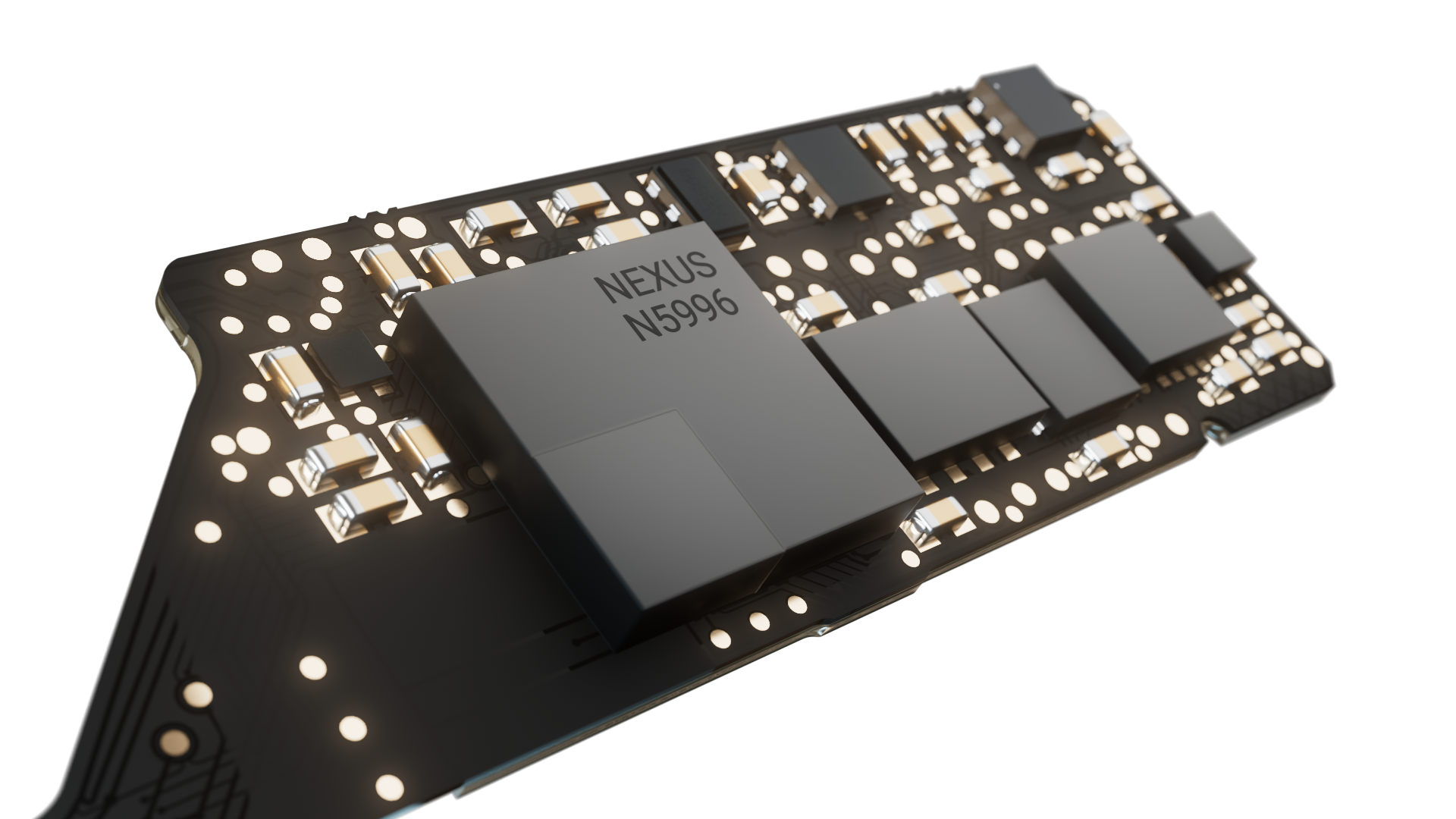
HITIQ biosensing. Intelligence from the inside.
01 / Measure
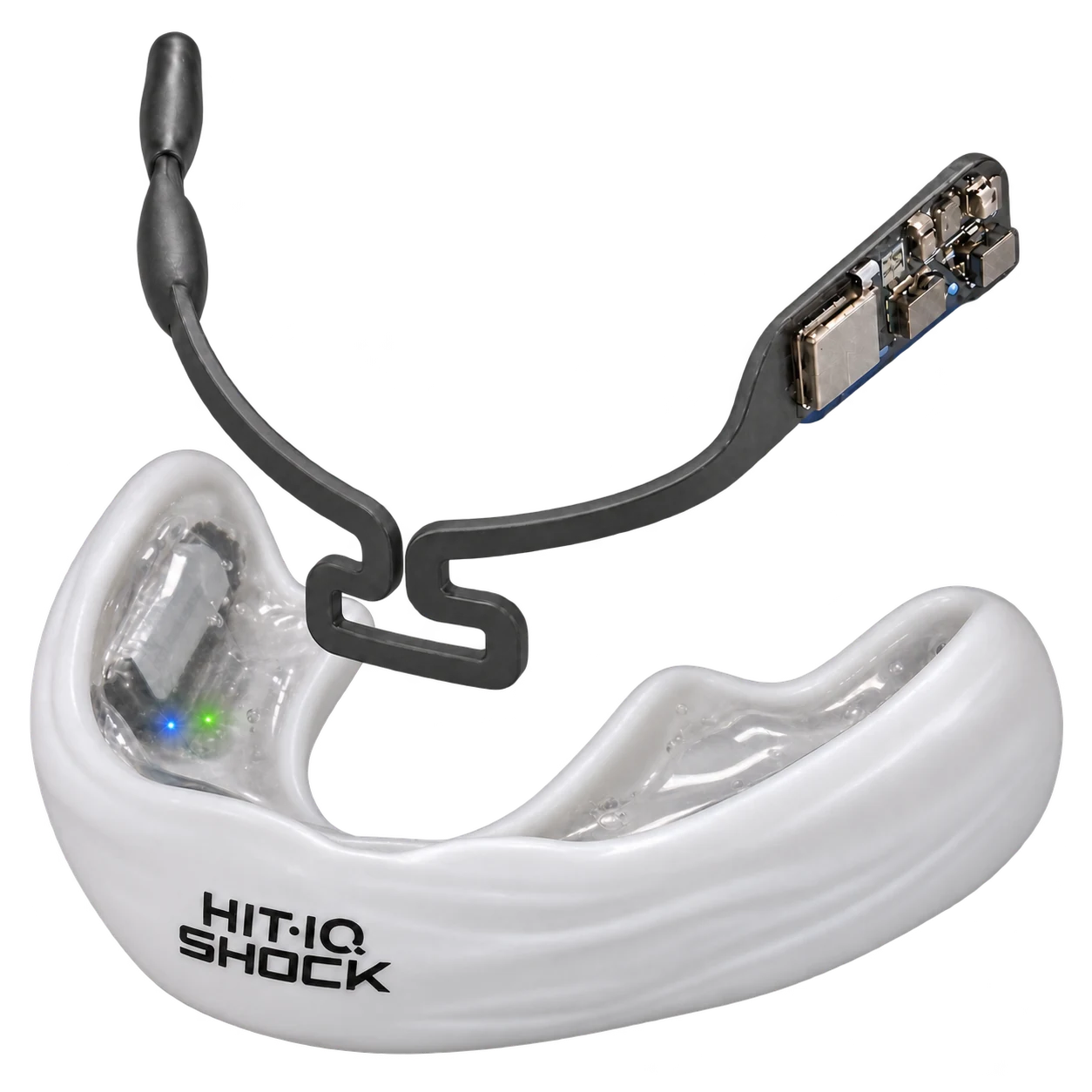
A well-fitted mouthguard couples to the upper teeth, creating a practical location for measuring head movement. Embedded sensors record motion across three axes.
The 2021 Nexus A9 laboratory study compared mouthguard measurements with reference sensors in a controlled headform test.
Explore sensor validation02 / Model
Two different questions: does the recording represent an impact, and what can its movement tell us?
ImpactIQ / Event classification
Triggered recordings pass through quality checks and classification. Fit and movement artefacts matter: a sensor trigger alone does not establish a head impact.
Read the impact classification validation studyDetected events
Recordings that meet capture thresholds.
Quality & classification
Processing distinguishes likely impacts from recording noise.
Impacts for review
Classified events provide a more useful starting point.
Published science / DAMAGE
Rotational movement unfolds over time. The published DAMAGE model uses that motion history to estimate maximum brain strain, the deformation that may occur during an impact.
PROTEQT presents this modelling through its DAMAGE Severity Index (DSI). It is an estimate based on recorded motion, not a direct measurement of injury.
Read the DAMAGE research(opens in a new tab)03 / Review
The measurement becomes useful when it reaches the right person, with the right context.
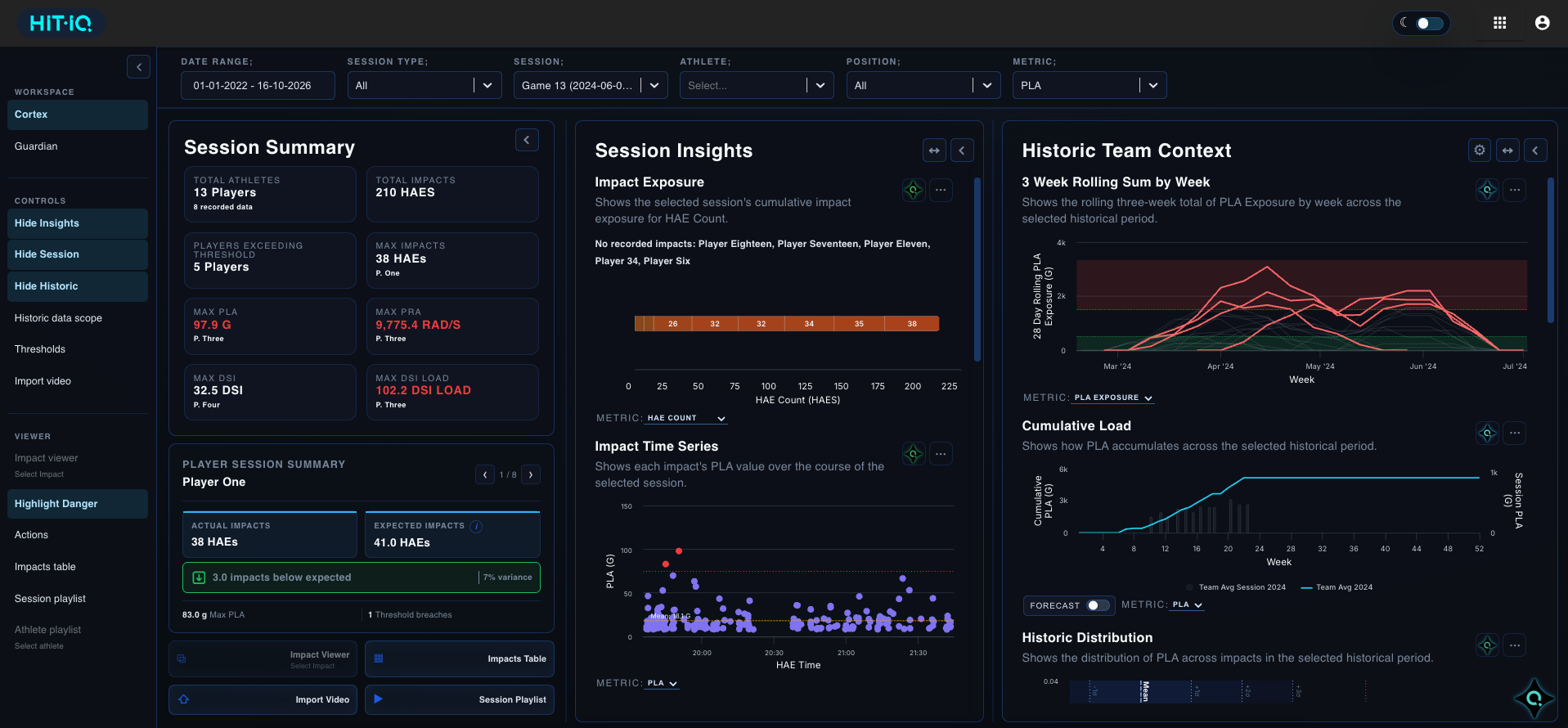 A real Cortex interface example: session summary, insights and historic team context.
Cortex by HITIQ
A real Cortex interface example. Expand the screen to explore the detail.
Players & families
Sync the mouthguard with the PROTEQT app to review head-impact information, symptom-checking tools and access to care if needed.
Explore PROTEQTProfessional programs
Cortex connects athletes, sessions, exposure and available video. Guardian assembles incidents for a welfare team’s review. Each workflow serves a different organisation.
Explore our systemsSensors measure head movement. Models estimate aspects of the brain’s mechanical response. Clinical assessment determines injury and care. HITIQ informs review; it does not diagnose concussion or clear someone to play.
Evidence & development
Explore the research behind sensor measurement, impact classification and brain-strain modelling.
01 / Sensor testing
Stitt and colleagues compared Nexus A9 recordings with reference measurements during controlled headform impacts. The study examines the tested hardware’s measurement performance.
Stitt et al. · Sensors · 2021
Read study(opens in a new tab)02 / Classification
Goodin and colleagues developed a classifier using Nexus A9 recordings and video-verified events from elite Australian football. The work evaluates identification of head and body impacts in that setting.
Goodin et al. · Frontiers in Sports and Active Living · 2021
Read study(opens in a new tab)03 / Modelling
Gabler and colleagues developed DAMAGE to estimate maximum brain strain from rotational motion histories. This published model research underpins the calculation used in PROTEQT’s DSI.
Gabler et al. · Annals of Biomedical Engineering · 2019
Read study(opens in a new tab)Each study applies to the hardware, methods and conditions it tested. Measurement and modelling validation are distinct from evidence of clinical diagnosis. ImpactIQ is HITIQ’s proprietary technology; DAMAGE is a published research model.
Technology, put to work
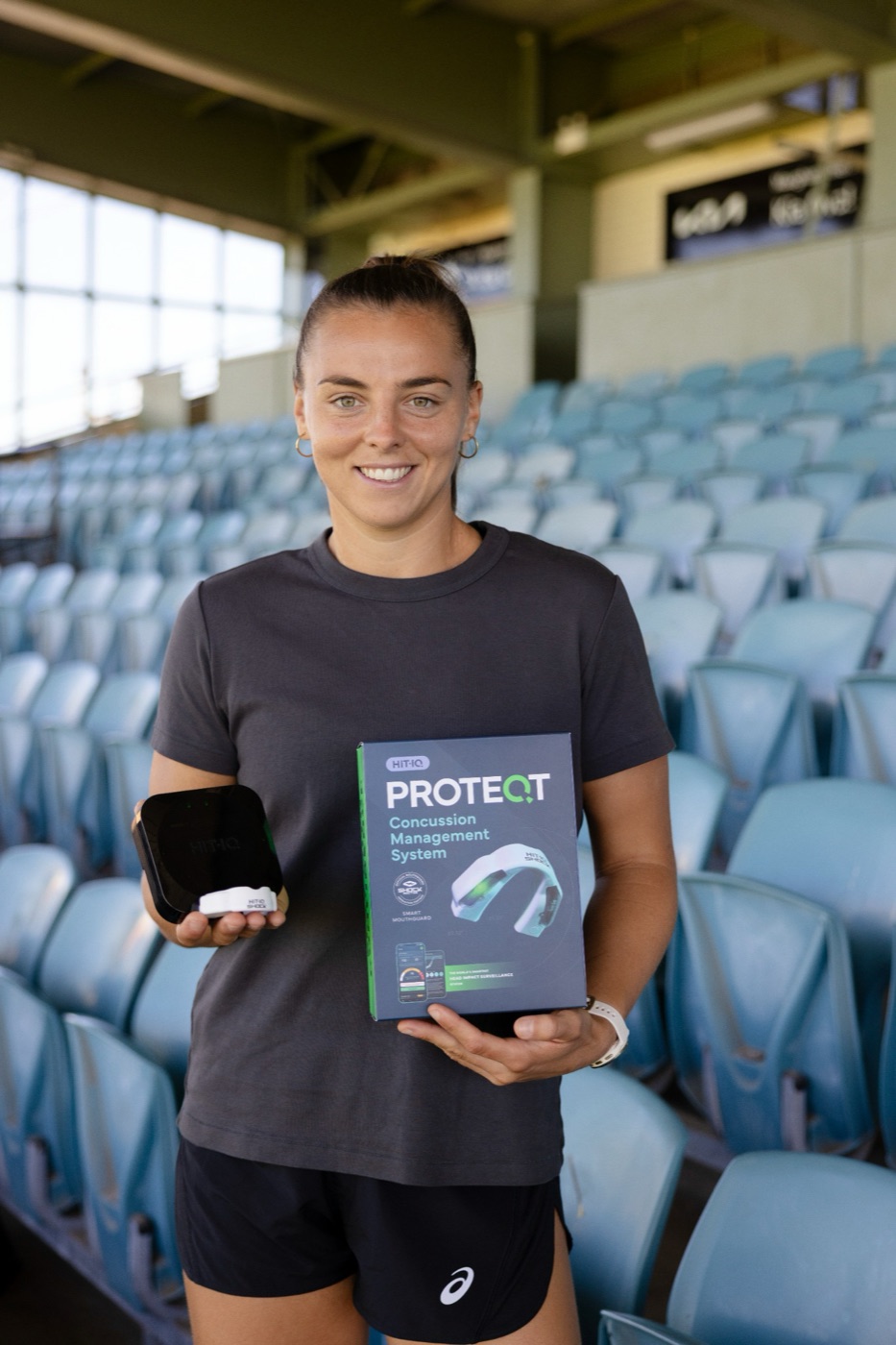

Players and families.
Your own mouthguard. Personal head-impact information after play.
Explore PROTEQT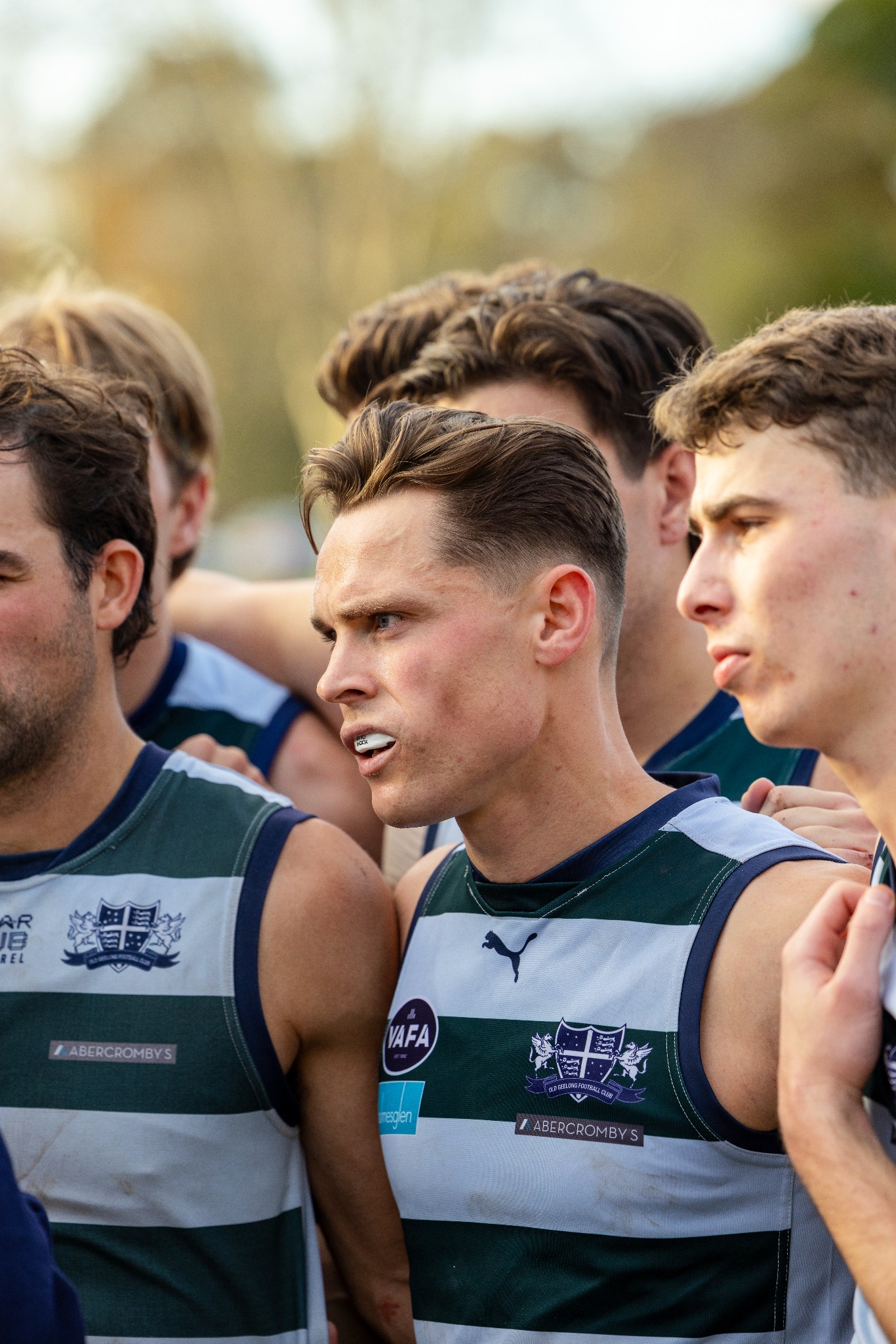

Schools and leagues.
Incident review for the people responsible for player welfare.
Explore Guardian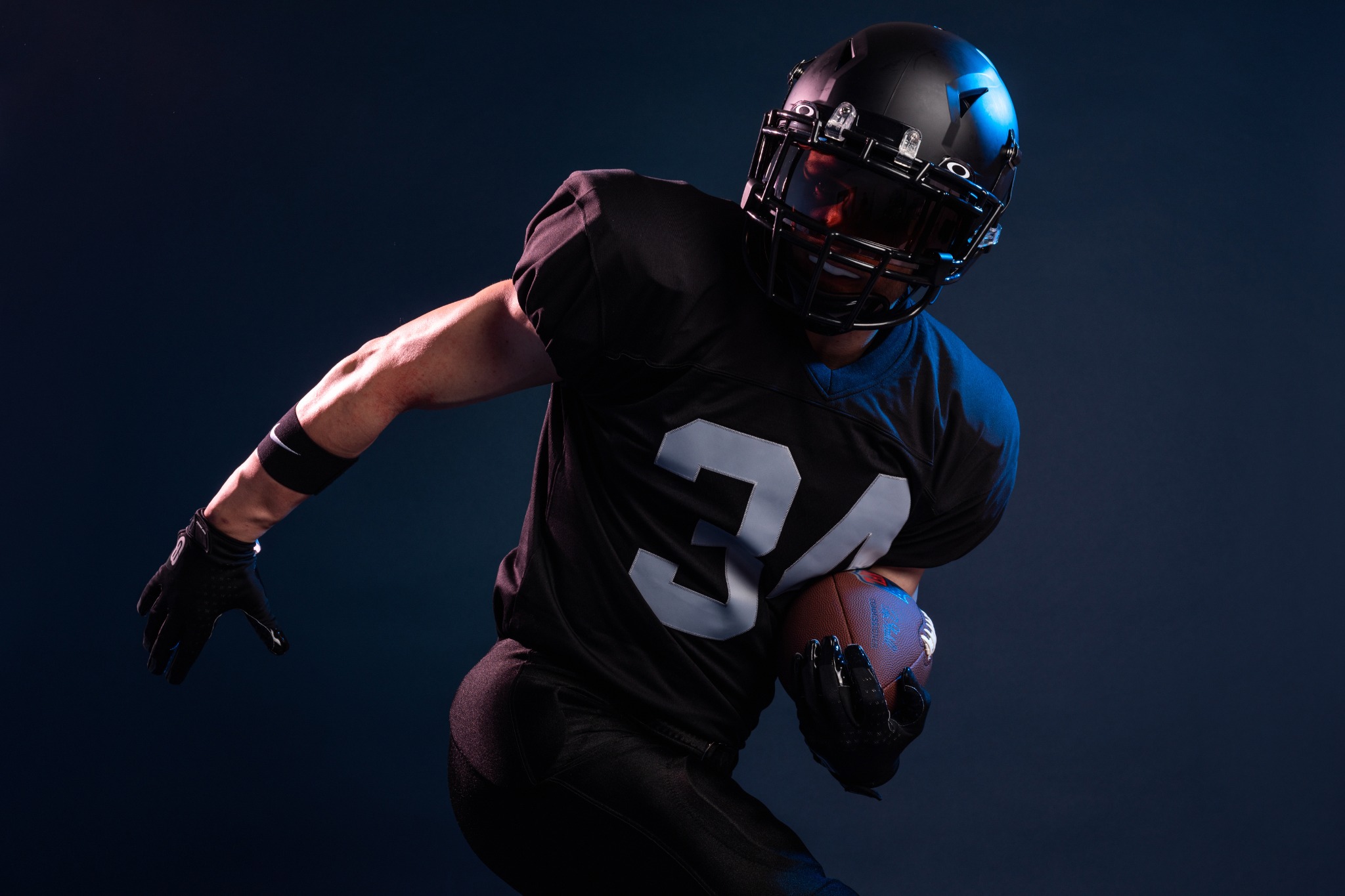


Elite teams.
Professional capture and analysis, from one session to a full season.
Explore elite teams

High risk and defence.
Specialist head-impact capture for demanding environments.
Explore D-MAXBefore you enquire
ImpactIQ is HITIQ’s proprietary technology for interpreting mouthguard recordings. Cortex is the professional data platform where teams review sessions, athletes, impacts and exposure. PROTEQT Pro and Cortex are explored together on our Elite page.
No. Head-impact measurements and model estimates provide additional information. They do not establish a diagnosis or provide clearance to return to play. Suspected concussion requires appropriate medical assessment.
No. Consumer PROTEQT provides information after recording and syncing. Professional systems are organised around the needs of teams and welfare staff. Specialist deployments are scoped with HITIQ.
Yes. Talk to HITIQ about a professional demonstration, reporting, raw data access and your research requirements. We can work through the relevant system and configuration with you. Start a conversation.
Start a conversation
Explore the hardware, software and workflow for your people. Start with a conversation about what you need to understand.
Thanks, we’ll be in touch.
A member of the HITIQ team will reply to find the right starting point with you.

